De_coding paintings
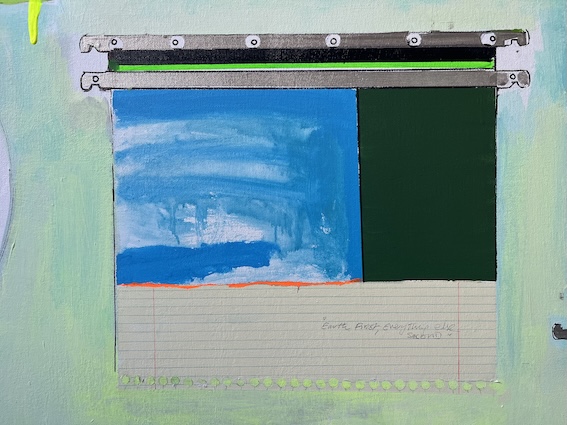
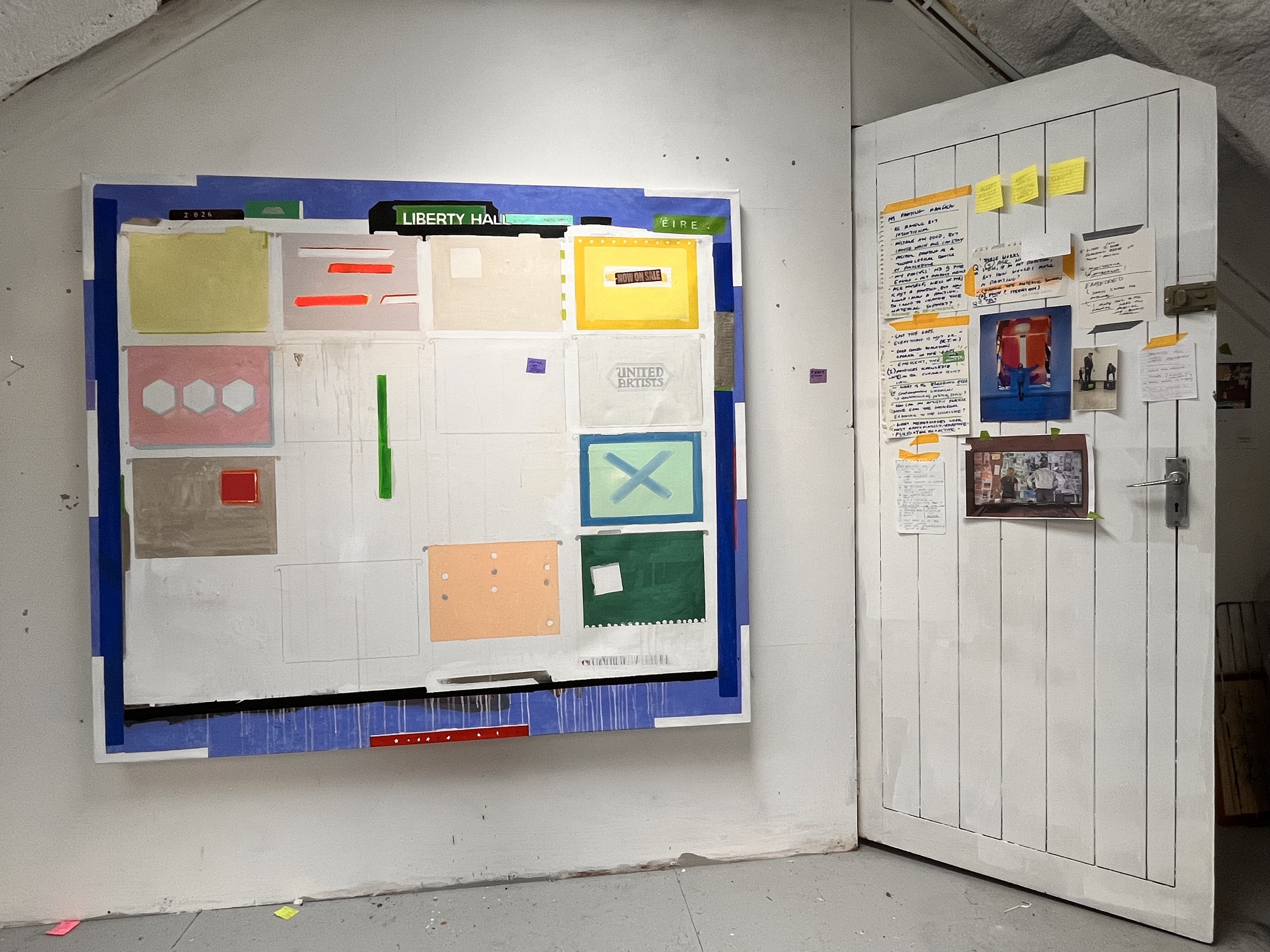
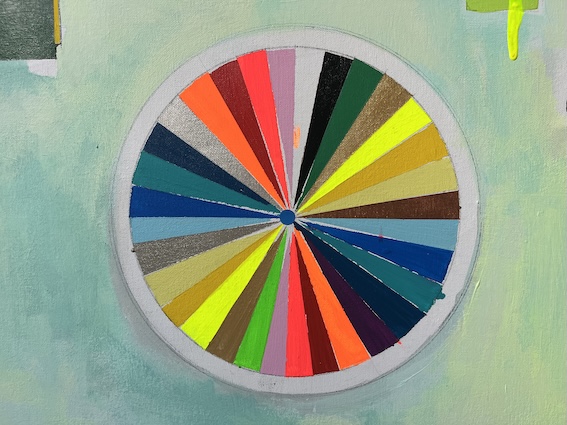
De-coding paintings aim not only to speak to present-day urgencies but also to engage with the condition of contemporary painting itself. One of the most pressing questions for painters today is how to respond to the rapid onset and proliferation of digital, image-based technologies. In this context, my work offers a gesture toward that question—attempting to remain relevant, or at the very least to make a record of the conditions in which it is made.

Hal Foster, Design and Crime: And Other Diatribes (London: Verso, 2002)
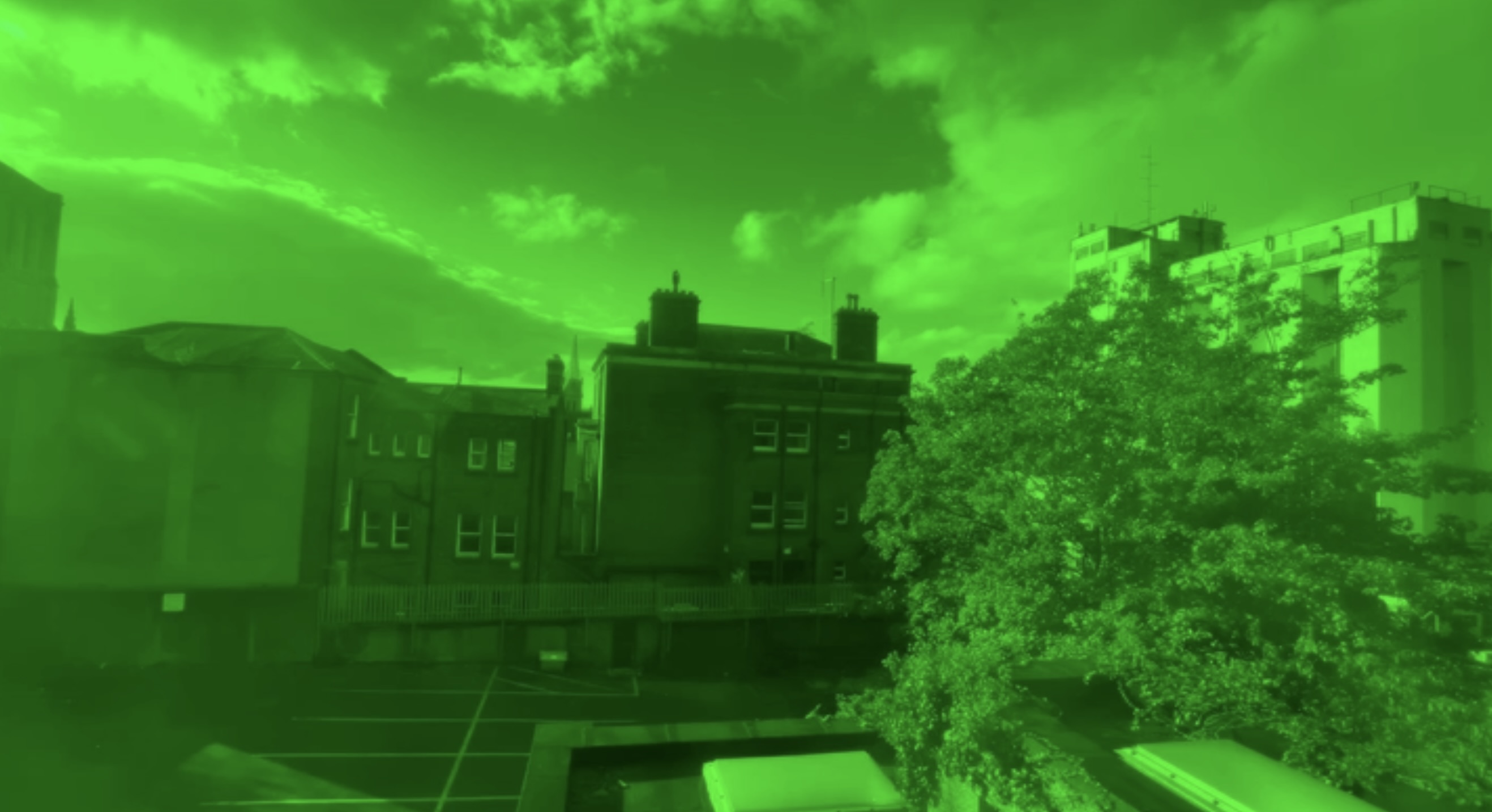
Drawing on Hal Foster's reference, contemporary painting can be understood as operating within systems of feedback, circulation, and exchange rather than as a fixed or isolated object. In this expanded context, painting responds to the influence of screens, digital image environments, and shifting modes of perception—where colour moves between pigment and emissive display and meaning emerges through interaction with viewers and site. Positioned within these networks, painting functions as an open and responsive structure—embedded within technological, spatial, and social systems that continue to shape how images are produced, encountered, and understood today.


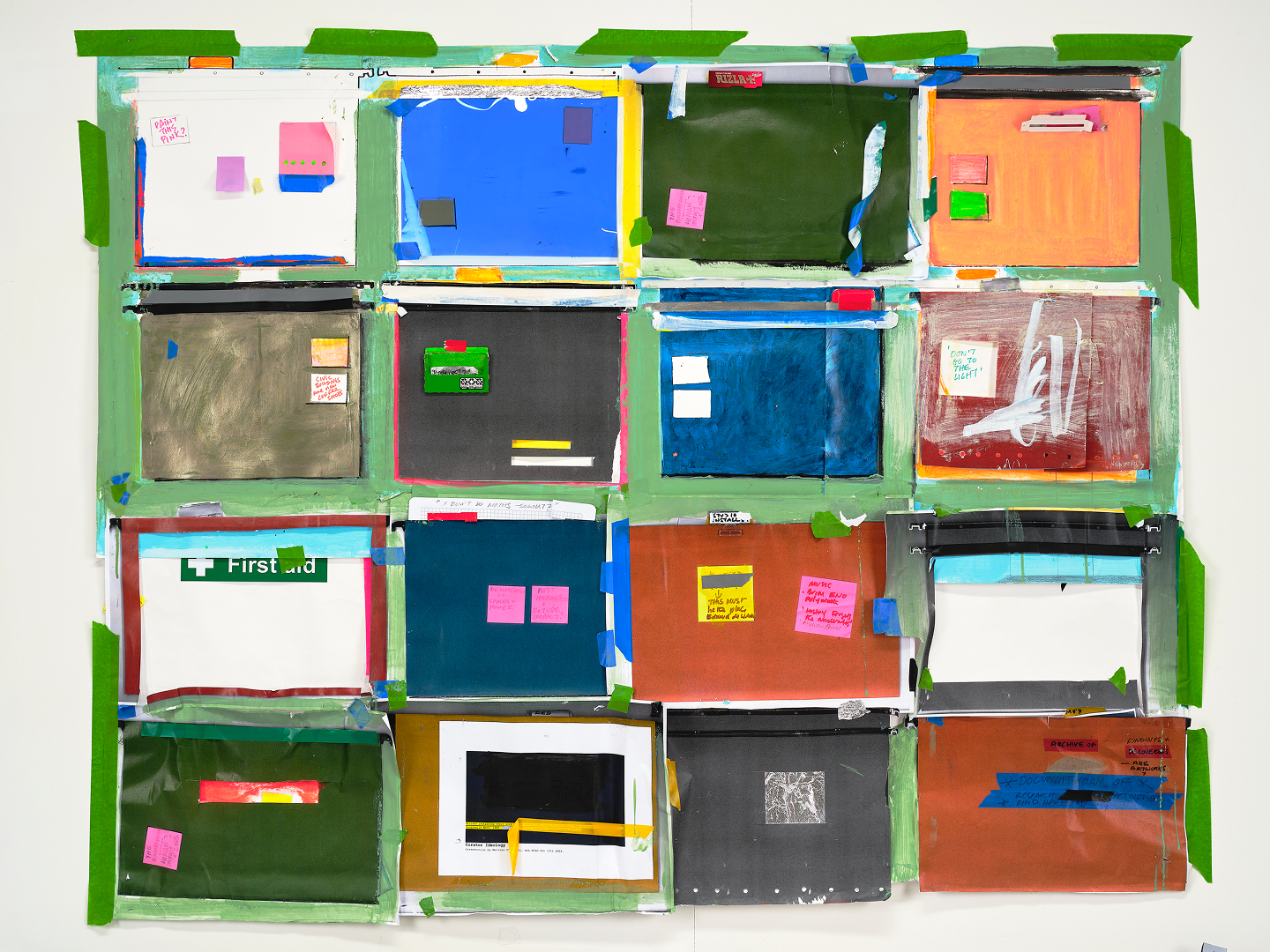
Referencing systems theory, the artwork aims to operate within structures of communication rather than as a fixed, autonomous object. Meaning emerges through relationships between site, viewer, image, and display—where distinctions are produced through positioning, colour coding, and spatial arrangement. Within this framework, painting and installation function as embedded systems, responsive to their environments and shaped through processes of circulation, encounter, and interpretation.
Niklas Luhmann
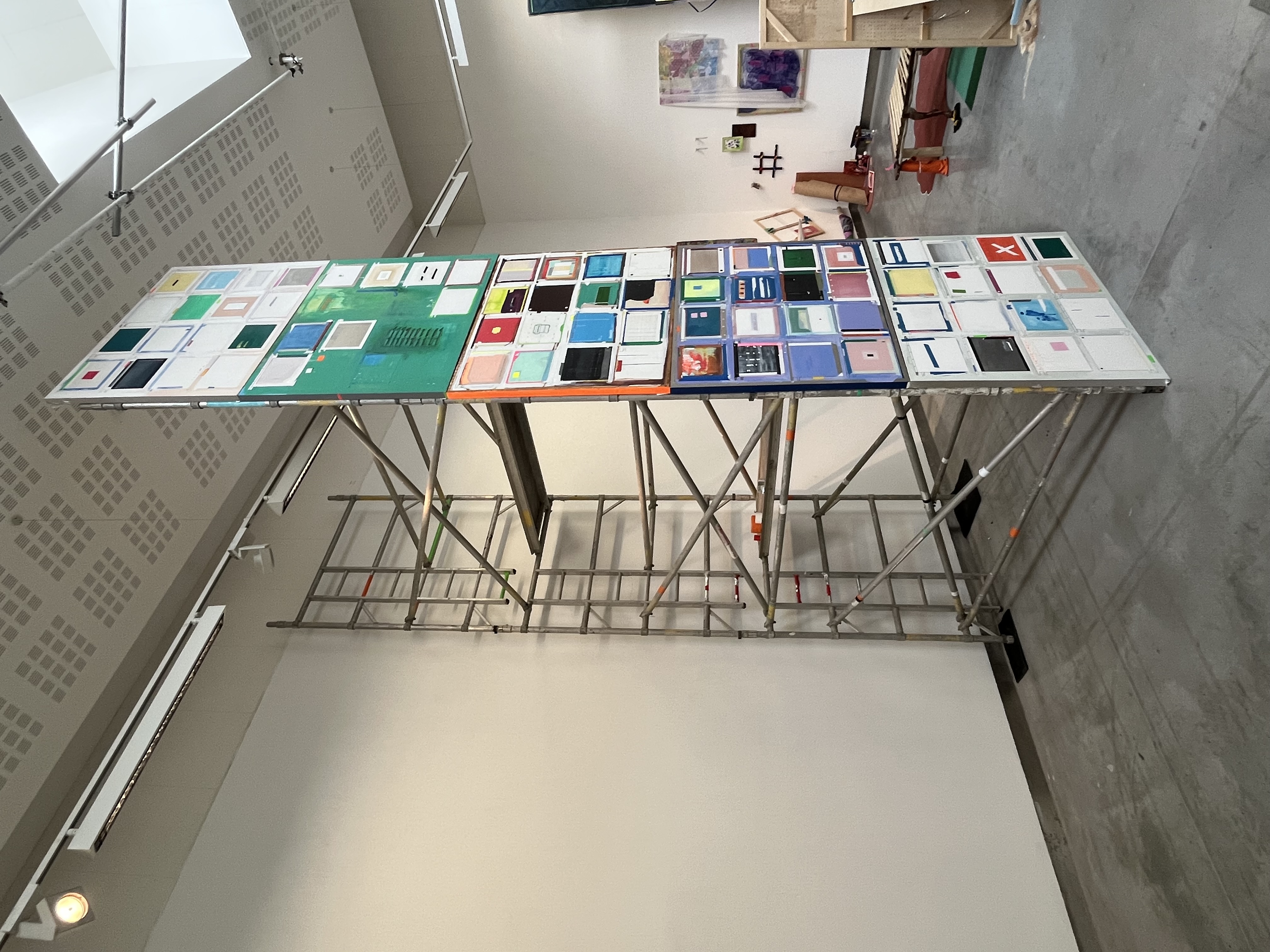
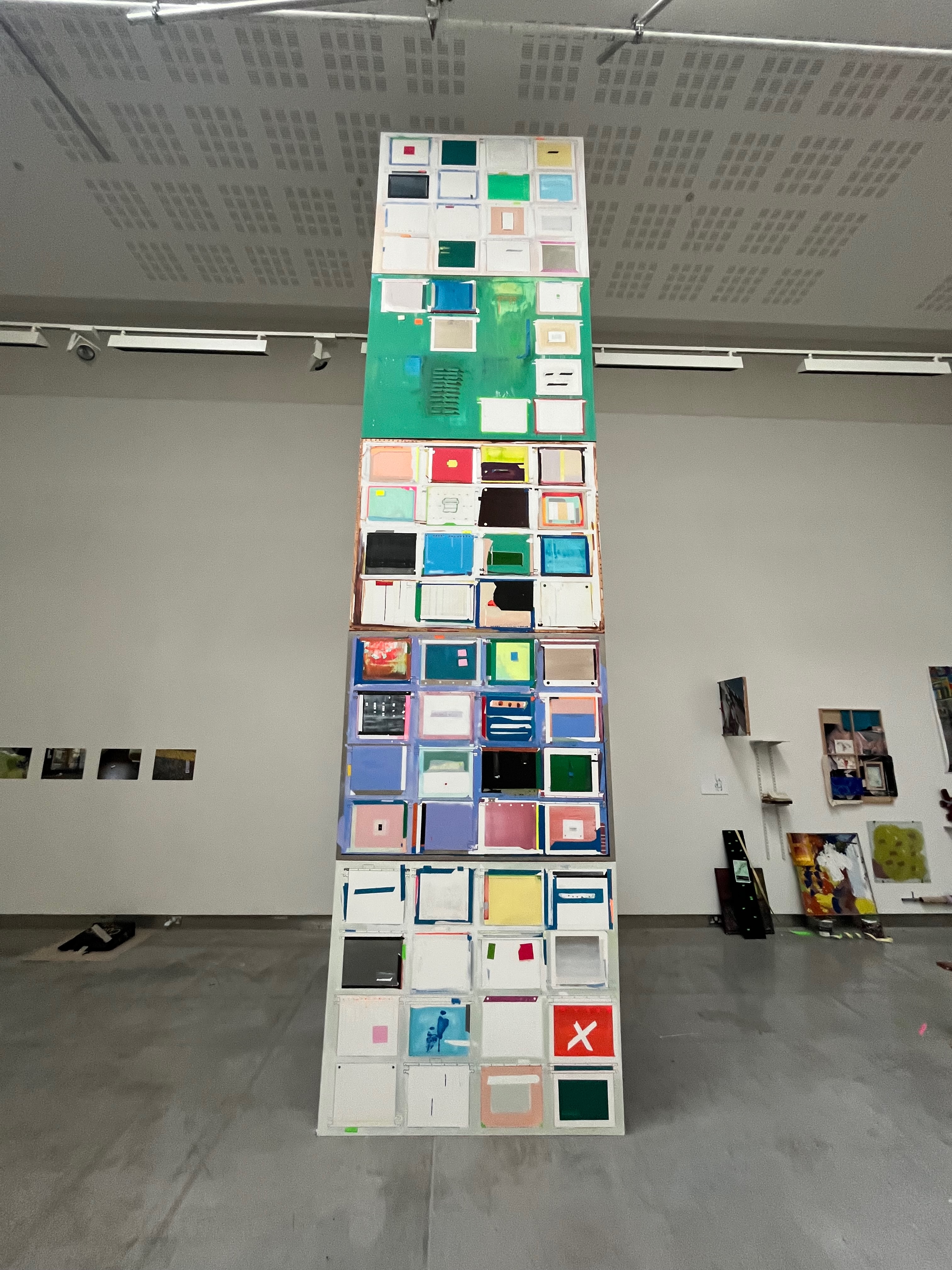
Tower of Creative Data: